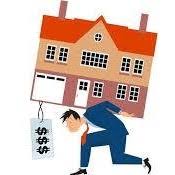
Can You Sell a House With Negative Equity in Louisiana?
Yes, but the available options depend on the property’s value, mortgage payoff, liens, expected closing expenses and whether the sale proceeds are sufficient to satisfy everything that must be paid.
Negative equity means that the house may be worth less than the total amount owed against it. Having little equity is different: the property may be worth more than the mortgage balance, but there may not be much money remaining after repairs, liens and closing expenses are considered.
Home Buyer Louisiana can evaluate the property and provide a written purchase offer. We can also work with an independent Louisiana title company or closing attorney to obtain payoff information and estimate how much money would be required—or remain available—at closing.
We cannot reduce the mortgage balance, require a lender to approve a sale or guarantee that every negative-equity property can close. Our role is to help you understand whether a direct sale may work and what obstacles must be addressed.
What Does Negative Equity Mean?
Your approximate equity is the property’s current value minus the mortgage payoff and any other claims against the house.
For example:
Estimated property value: $150,000
Mortgage payoff: $140,000
Other liens and estimated selling costs: $8,000
Approximate remaining equity: $2,000
In this example, the homeowner has very little equity even though the house is technically worth more than the mortgage balance. If they end up having realtor commissions or closing costs this could push them from little equity, to negative equity and face a shortfall at closing.
Property value is not the same as available equity. Repairs, taxes, liens, mortgage interest, legal work and closing expenses may reduce the amount remaining from a sale.
What Are Your Options if You Have Little or Negative Equity?
Sell and Pay Everything at Closing
When the sale proceeds are enough, the closing attorney pays the mortgage, liens and approved expenses from the transaction. The seller receives any remaining balance.
Contribute Money at Closing
If the shortfall is manageable, the seller may decide to provide the additional amount needed to complete the sale.
Request Lender Approval for a Short Sale
A short sale occurs when a lender or mortgage servicer agrees to allow the property to be sold for less than the amount owed. Approval is not automatic, and the seller should determine whether the lender will waive or attempt to collect any remaining deficiency.
Keep the Property
The owner may decide to continue making payments and wait for the mortgage balance to decline or the property value to increase.
Consider Another Structured Transaction
Some transactions may involve an existing mortgage remaining in place after ownership transfers. These arrangements require careful review of the loan documents, insurance, disclosures, legal risks and the seller’s continuing obligations.
How Do You Know How Much You Actually Owe?
The current mortgage statement may not show the exact amount required to complete a sale.
The closing attorney generally requests a formal payoff statement that may include:
Remaining principal
Accrued interest
Late charges
Escrow advances
Legal or foreclosure expenses
Prepayment or other permitted charges
The date through which the payoff is valid
The property should also be checked for unpaid taxes, judgments, second mortgages, contractor claims and other liens.
Can You Sell if You Are Behind on Mortgage Payments?
In most cases. Being behind on payments does not automatically prevent a sale.
The closing attorney must determine the current mortgage payoff, including any late charges, legal expenses or foreclosure-related amounts. If the expected sale proceeds are sufficient, the mortgage may be paid through closing.
If the proceeds are not sufficient, the transaction may require additional money, lender approval or another solution.
Contacting the mortgage servicer early is important because available options and the amount required to stop a foreclosure may change over time.
What Is a Short Sale?
A short sale is a transaction in which the mortgage lender or servicer agrees to accept a sale even though the proceeds will be less than the mortgage balance.
The lender may require:
Financial and hardship information
Property-value documentation
A signed purchase agreement
Estimated closing expenses
Information about other liens
Approval of the buyer and sale terms
A short sale is not simply a buyer offering less than the mortgage payoff. The lender must approve the transaction, and the seller should confirm in writing what will happen to any unpaid deficiency. The CFPB recommends obtaining any deficiency waiver in writing.
Home Buyer Louisiana can provide a purchase offer, but we cannot approve a short sale or negotiate legal rights on the lender’s behalf.
What Is a Take-Over-Payment Sale?
Most negative-equity situations are resolved through a standard sale, seller contribution, short sale or a decision to keep the property. In some circumstances, Home Buyer Louisiana may also consider a structured take-over-payment purchase. Because this option creates continuing obligations and risks for the seller, it requires a more detailed explanation.
Traditionally when you sell a house with a mortgage the title company will remove the lien against the house by paying the mortgage out from the proceeds of the sale. So let’s say you sold the house for $110,000 and you owed $100,000 then the title company will pay the $100,000 to the bank and the remaining $10,000 would be used to pay realtor commissions and closing costs and you would receive what is left after that (if there is any). With a take over payment deal, we would buy the house but leave the lien in place. To follow on from the example if we paid $110,000, the $100,000 lien would stay in place and we would take over the payments on the note and the remaining $10,000 would be paid to you as cash at closing. This is a really good way to sell your house when there isn’t much equity so you can avoid having to pay money at the closing and actually turn your house into cash.
Why would we take over your payments when there is no equity?
We are professional landlords and are very comfortable managing properties so can often make deals with no equity work as a rental property. We generally pay cash for the houses we buy and when we do that we obviously need to get a certain return on our cash. When we take over payments we don’t need to put as much money into the house so don’t need to get the same return. While we wouldn’t pay cash when there is no equity in the deal we can often make it work when we leave the existing financing in place.
Who is responsible for taxes and repairs?
We become the legal owners for the property so are responsible for all property taxes and maintenance. If a tenant hurts themselves in the property and wants to sue they would be suing us as the legal owners on the properties. We are responsible and mange everything and of course will still make note payments even if the house is vacant and we aren’t receiving rent payments.
What if you stop making payments?
If we stopped making payments you are able to take the property back from us. I know you are selling the property and don’t want it back, but trust me we are in the business of buying houses not giving them back. In the unlikely event that this happened you would actually be in a better position. You would have been paid cash at closing, we would have been paying your note down for you along with making repairs. If we stopped paying after a few years you would have more equity in the house and would be able to sell again. Obviously we are not going to let this happen but you are protected if it does.
Is a take over payment deal legal?
Yes it is. We use a Title Attorney to do the paperwork and the closing. They ensure it is done legally and correctly. While we will pay their fees they don’t work for us and are a neutral party whose job it is to ensure that the transaction is legal. You can ask them questions directly and get advice from them through the process.
Won’t the bank call the loan due?
Banks are in the business of collecting payments on loans and don’t like to call loans due. There is a “Due on Sale” clause in most loan contracts which says the bank “can” call the loan due if the house is sold. So legally they can do this but practically speaking they have no incentive to do this when the note is getting paid. If you have had your loan for a while you will probably find that the bank sold your note to another bank or servicing company (possibly several times). They don’t really care who is making the payments, they just care that it is being made. If for any reason they were to call the loan due we would deal with this and try and get them to change their mind or alternatively try and refinance/pay off the loan.
Can I still get another loan?
You would need to consult with your broker to get a personalized answer to this. The thing to note is that the loan will still appear on your credit report. This can be negative and it can be positive. On the one hand it will count in your debt to income ratio which can make it harder to get a loan. On the other hand the payments you have been making in managing the loan can have a positive impact on your credit rating. Generally speaking if you aren’t looking to get a new loan straight away then the loan shouldn’t affect you too negatively. While the Debt is in your Debt to income ratio after a couple of months of us making the payment most mortgage companies will recognize 75% of our payments as income. After 12 months of being able to demonstrate that we are making the payments then most mortgage companies will recognize 100% of our payments as income which will mean the debt and income cancels out. You should consult a mortgage broker about your specific situation, particularly if you are looking to get a new loan straight away.
I have heard of selling a house “Subject to” is that the same thing?
Yes it is. Selling a house “Subject to” is the technical term for this type of transaction. It is called this because it is recorded in the closing statement that the house was subject to the existing mortgage. This is just the technical way of saying that the lien was not cleared when the property was sold and is still recorded against the property.
Why would I sell my house this way?
People generally sell their house this way because they want to get more money for the house. When we buy houses for cash we obviously need to get a return on that cash. When we buy on a take over payment we don’t have to put as much cash into the house so don’t need to get the same return. This means we will pay more for the house.
Would you take over my house payments?
We would need to know more about your situation to say for sure. The terms of your loan, the amount you owe and the house itself are all factors in whether this strategy will work for you. Give us a call or fill in our online form and we can discuss your specific circumstances.
Not Sure Which Option Applies to You?
You do not need to calculate everything or choose a transaction structure before contacting us.
Tell one of our local team members about the property, approximate mortgage balance, monthly payment and any missed payments or liens. We will listen, explain which options may be worth exploring and let you decide whether any of them fit your situation.
There is no pressure and no obligation to accept an offer.
How The Process Works
1. Tell us about your house and we will give you an estimate of our cash offer
2. If our cash offer is something that will work for you we’ll set up a quick appointment to view the property
3. We’ll give you a written cash offer for your consideration
4. If you are happy, we close at a reputable title company, cash in your hands in as little as 7 days or a date that suits you
We can do step 1 through 3 within 48 hours so you will quickly know whether we are the right the solution for you
Real Louisiana Houses We Purchased With Little or No Equity
This Slidell homeowner owed almost what the house was worth and needed repairs, making a traditional sale difficult. A "take over payment" purchase was explored as a creative option to help them avoid bringing money to closing while still moving on from the property.
This Shenandoah townhouse owner in Baton Rouge owed more than the property was worth and couldn’t sell the traditional way. When the AC failed, we stepped in with our take over payment program, taking over his existing mortgage so he could walk away stress-free while we turned it into a solid rental.
When Alonia was months behind on her mortgage and facing foreclosure, we stepped in with a creative solution. By catching up the loan and taking over her payments, we helped her avoid foreclosure, protect her credit, and move forward. A true win-win outcome for everyone involved.
Facing foreclosure is stressful, but for Alonia, selling to Home Buyer Louisiana turned out to be simple and drama-free. She praised our team for staying in touch, keeping things easy, and helping her avoid foreclosure with a smile at closing, exactly the experience we aim to deliver for every seller.
We are the group of local investors that help people with problem homes. We always treat you professionally and with respect.
We Pay Cash
We pay cash which means nothing is dependent on banks approval or slowed down by redtape
No Improvement Needed
We buy your house, as-is so you don't need to make repairs or clean the property
We Are Fast
We can close quickly, sometimes you can sell your house as fast as 7 days.
No Fees Or Commissions
You are dealing direct with the buyer so there are no realtor commissions or fees.
Get an obligation free offer
We buy houses in ANY CONDITION in Louisiana. There are no commissions or fees and no obligation whatsoever. Start below by giving us a bit of information about your property.